

About US
Department of Indigenous Development and Social Work
College of Indigenous Studies, National Dong Hwa University, Taiwan
Who We Are
The Department of Indigenous Development and Social Work (DDS) brings together Indigenous development, social work, research, and community-engaged practice.
Located within the College of Indigenous Studies at National Dong Hwa University in Hualien, eastern Taiwan, we work at the intersections of Indigenous peoples’ rights, advocacy, social work, community development, health and care, land and environment, and Indigenous knowledge.
Our guiding vision is:
Indigenous Development as Our Foundation, Social Work as Our Practice.
We understand Indigenous development not simply as economic or institutional development, but as a broader process grounded in Indigenous peoples’ self-determination, knowledge, relationships, cultures, lands, and collective futures.
Social work, in this context, is more than professional intervention. We seek to advance culturally safe and socially just forms of practice that take Indigenous histories, communities, values, and ways of knowing seriously.
What Defines Our Work
Our teaching and research connect critical scholarship with practice.
Across the Department, our work engages questions including:
-
Indigenous self-determination, rights, governance, and public policy
-
Indigenous social work and culturally safe practice
-
Indigenous knowledge, education, and research methodologies
-
Community development, local revitalization, and community economies
-
Health, mental health, long-term care, and wellbeing
-
Land, environment, political economy, and human–nature relations
-
Gender, families, children, and social justice
-
Ethnic relations, culture, migration, and multicultural societies
Rather than separating research from practice, we are interested in how knowledge can emerge through long-term relationships with communities and contribute to meaningful social change.
Research and Practice
Faculty members in the Department work across anthropology, sociology, social work, public policy, philosophy, geography, Indigenous studies, health, and community development.
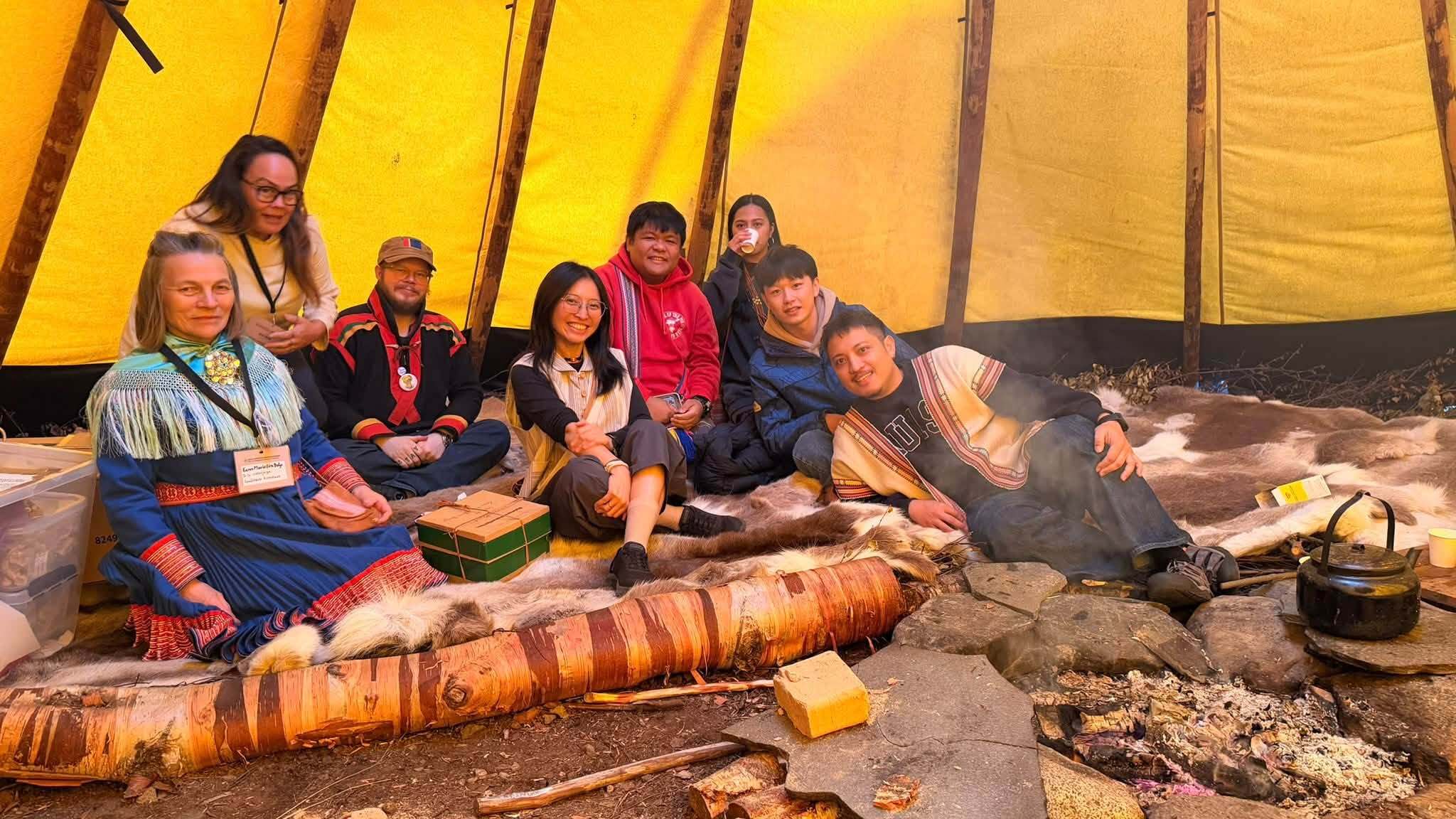 Our research ranges from theoretical and policy-oriented scholarship to ethnography, qualitative research, participatory action research, and community-based collaboration.
Many of our projects are developed together with Indigenous communities, civil society organizations, government agencies, practitioners, and international partners.
We are particularly interested in forms of research and practice that recognize Indigenous peoples not simply as research populations or service recipients, but as knowledge holders, political actors, practitioners, and partners in knowledge production.
Learning With Communities
Hualien and eastern Taiwan provide an important context for learning about Indigenous societies, rural and regional development, environmental change, welfare systems, and community life.
For us, however, communities are not simply sites for fieldwork.
Community-based learning is built around relationships, reciprocity, and responsibility. Students learn through encounters with practitioners, community organizations, Indigenous knowledge holders, public institutions, and social movements, alongside classroom-based theoretical and professional training.
Through field-based courses, internships, collaborative projects, and community engagement, students are encouraged to connect what they learn in the university with the social and political realities in which knowledge and professional practice take place.
International Collaboration — Work With Us
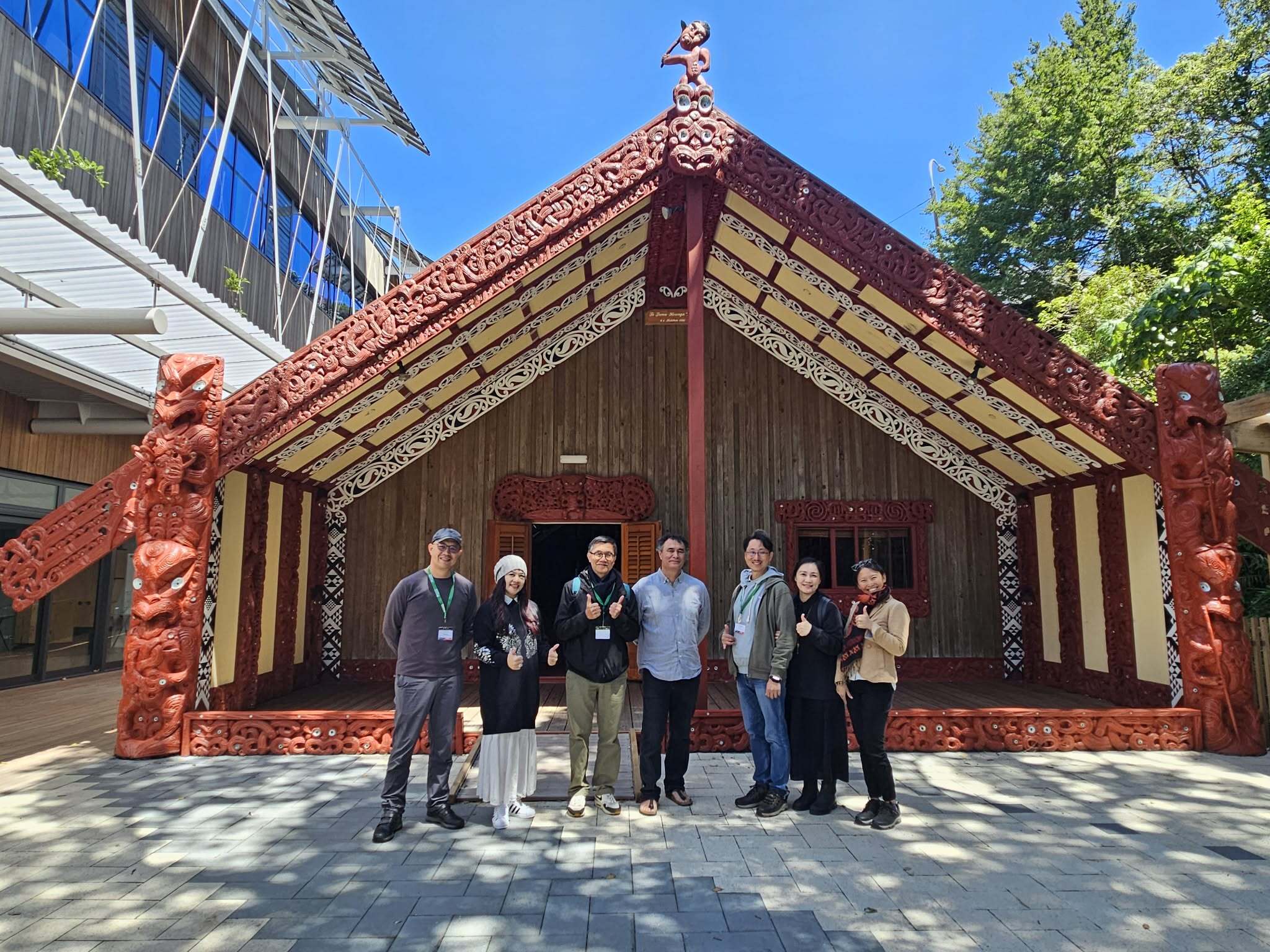
We welcome collaboration with Indigenous communities and organizations, universities, researchers, students, practitioners, NGOs, and public institutions in Taiwan and internationally.
Possible forms of collaboration include:
-
Joint and comparative research
-
Visiting scholars and research stays
-
Collaborative teaching and guest lectures
-
Student and faculty exchanges
-
Field-based and place-based learning
-
Workshops and international seminars
-
Community-to-community and Indigenous youth exchanges
-
Collaborative publications and research networks
-
Partnerships connecting Indigenous knowledge, social work, policy, and practice
We are especially interested in partnerships that are relational, reciprocal, and attentive to Indigenous peoples’ priorities, knowledge, and self-determination.
If your work intersects with ours, we welcome conversations about possibilities for collaboration.
Our Programs
The Department offers:
Bachelor’s Program
Undergraduate students develop foundations in both Indigenous development and social work. Areas of study include Indigenous politics and law, education and culture, land and economy, social welfare, community development, and professional social work practice.
Master’s Program
Our graduate program supports advanced study and research in areas including Indigenous development, political and social change, Indigenous social work, welfare policy, health and long-term care, community development, and contemporary Indigenous issues.
In-Service Master’s Program in Indigenous Social Work
Designed for working professionals, the program connects advanced academic study with professional and community-based practice, particularly in Indigenous social work, care, welfare, and related fields.
Our History
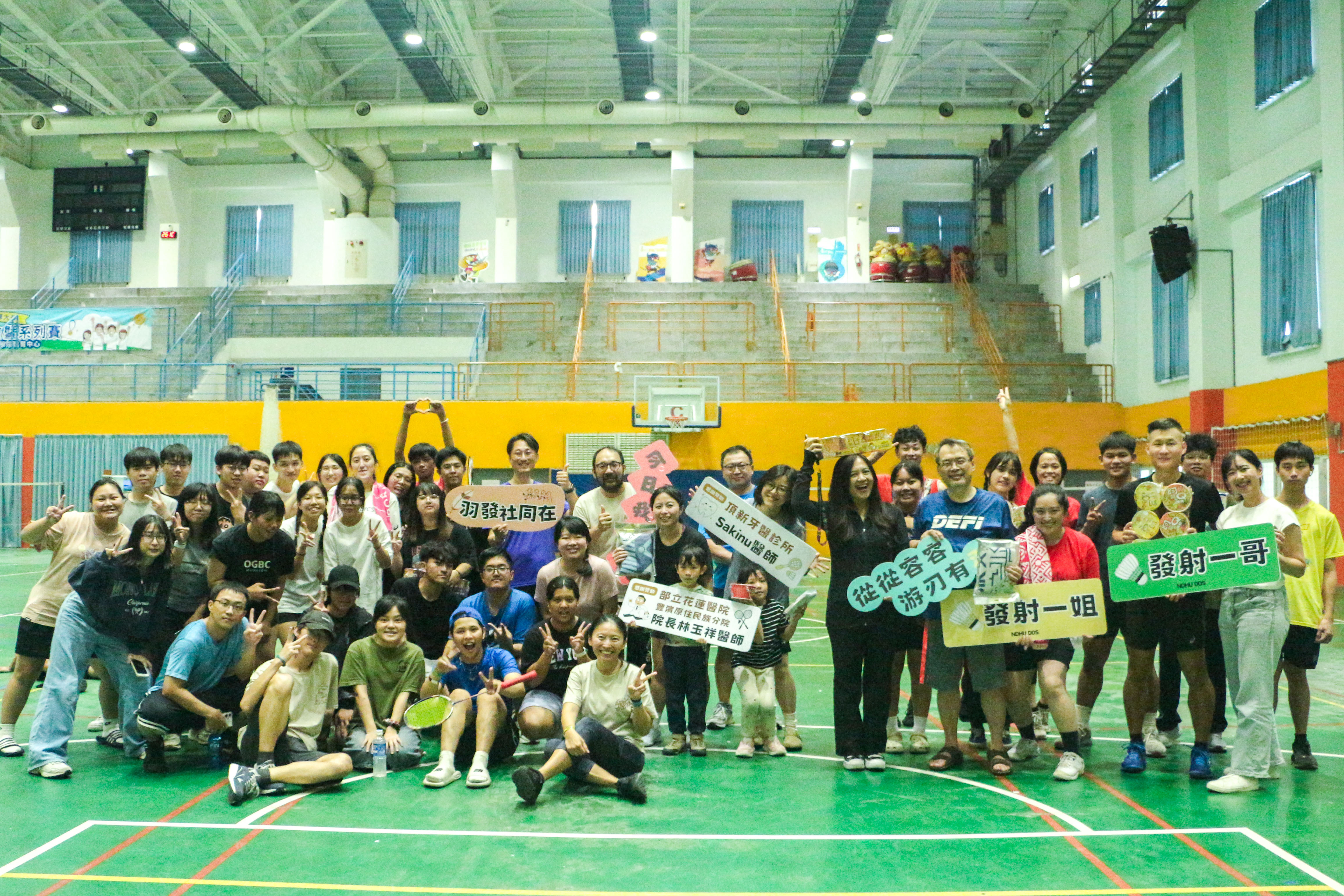 The Department has developed through more than two decades of Indigenous education at National Dong Hwa University.
The College of Indigenous Studies was established in 2001. Over subsequent years, programs in ethnic relations, Indigenous affairs and development, and Indigenous social work evolved through several institutional configurations.
In 2024, these strands were brought together under the name Department of Indigenous Development and Social Work, reflecting our commitment to integrating Indigenous development and social work while responding to changing social, political, and community needs in Taiwan and internationally.
Today, the Department offers undergraduate, master’s, and in-service graduate education and continues to develop interdisciplinary connections among Indigenous studies, social sciences, and professional practice.
Areas of Expertise
Our faculty expertise spans several interconnected fields:
Indigenous Governance, Rights and Public Affairs
Indigenous rights, public policy, political philosophy, Indigenous policy, education, self-determination, research ethics, and Indigenous knowledge.
Indigenous Social Work and Community Practice
Indigenous social work, social work education, child and family services, community organization, welfare services, disaster social work, and culturally safe practice.
Health, Care and Wellbeing
Indigenous health, medical anthropology, mental health, long-term care, community care, health and social policy, and early intervention.
Community, Economy and Development
Community development, local revitalization, community economies, ethnic industries, social enterprise, political economy, and development theory.
Land, Environment and Society
Nature–society relations, environmental anthropology, human geography, land and development, and relationships between communities and environments.
Culture, Ethnicity and Gender
Ethnic relations, cultural sociology, migration and diaspora, gender studies, museum studies, tourism anthropology, and regional Indigenous studies.
Indigenous and Community-Based Research
Critical ethnography, qualitative research, action research, participatory research, and Indigenous research methodologies.
Meet Our Faculty
Our faculty bring together expertise in Indigenous studies, social work, anthropology, sociology, public policy, philosophy, geography, health, and community development. Their research and practice engage with Indigenous peoples, communities, public institutions, and social issues in Taiwan and beyond.
Hiu-Ha Chong
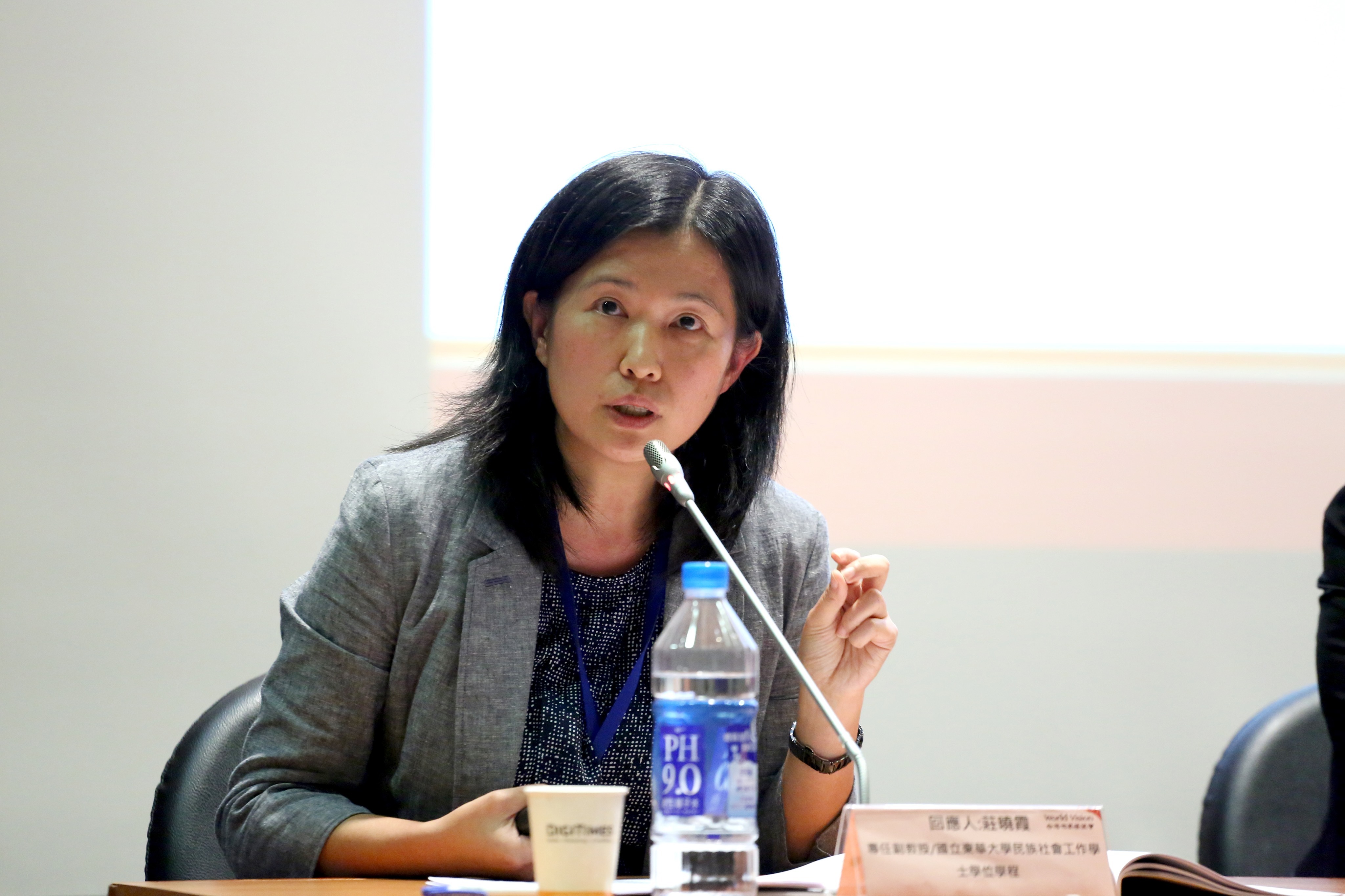 Professor
PhD in Social Policy and Social Work, University of York, UK (2007)
RESEARCH INTERESTS
Indigenous Social Work · Child and Family Welfare · Child and Family Protection in Indigenous Communities · Qualitative Research
Kui Kasirisir
 Professor
PhD, Health and Social Policy Research Centre, University of Brighton, UK (2008)
RESEARCH INTERESTS
Indigenous Welfare Services · Indigenous Community Organizations and Development · Health and Social Care · Indigenous Social Work
Cheng-Hsien Yang
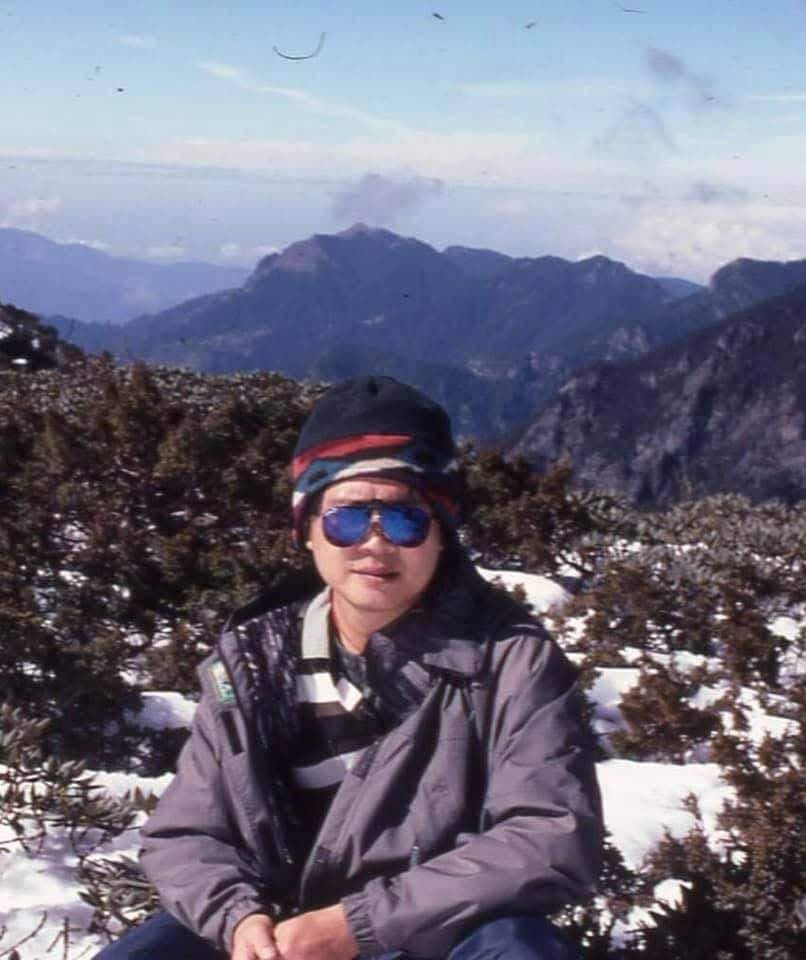 Professor
PhD in Anthropology, National Taiwan University, Taiwan (2011)
RESEARCH INTERESTS
Ethnic Relations · Lanyu (Orchid Island) Studies · Economic Anthropology · Indigenous Community Work · Community Economies and Ethnic Industries · Museum Studies
Pei-Lun Chen Chang
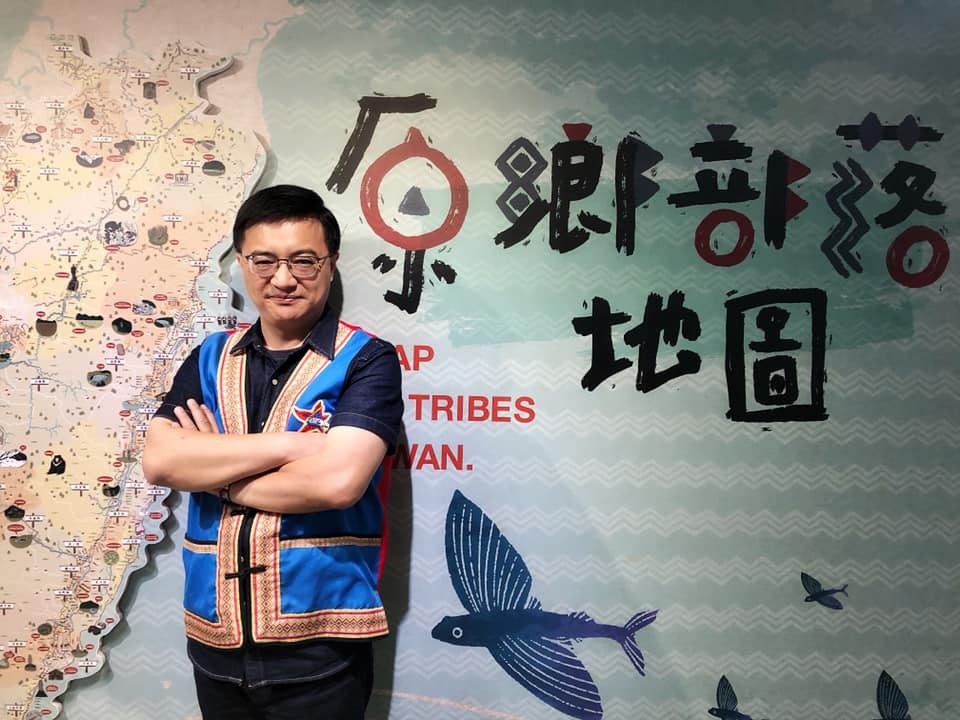 Associate Professor
PhD in Philosophy, National Taiwan University, Taiwan (2002)
RESEARCH INTERESTS
Political Philosophy · Research Ethics · Indigenous Peoples’ Rights and Public Policy · Indigenous Education · Indigenous Philosophy and Knowledge
Yi-fong Chen
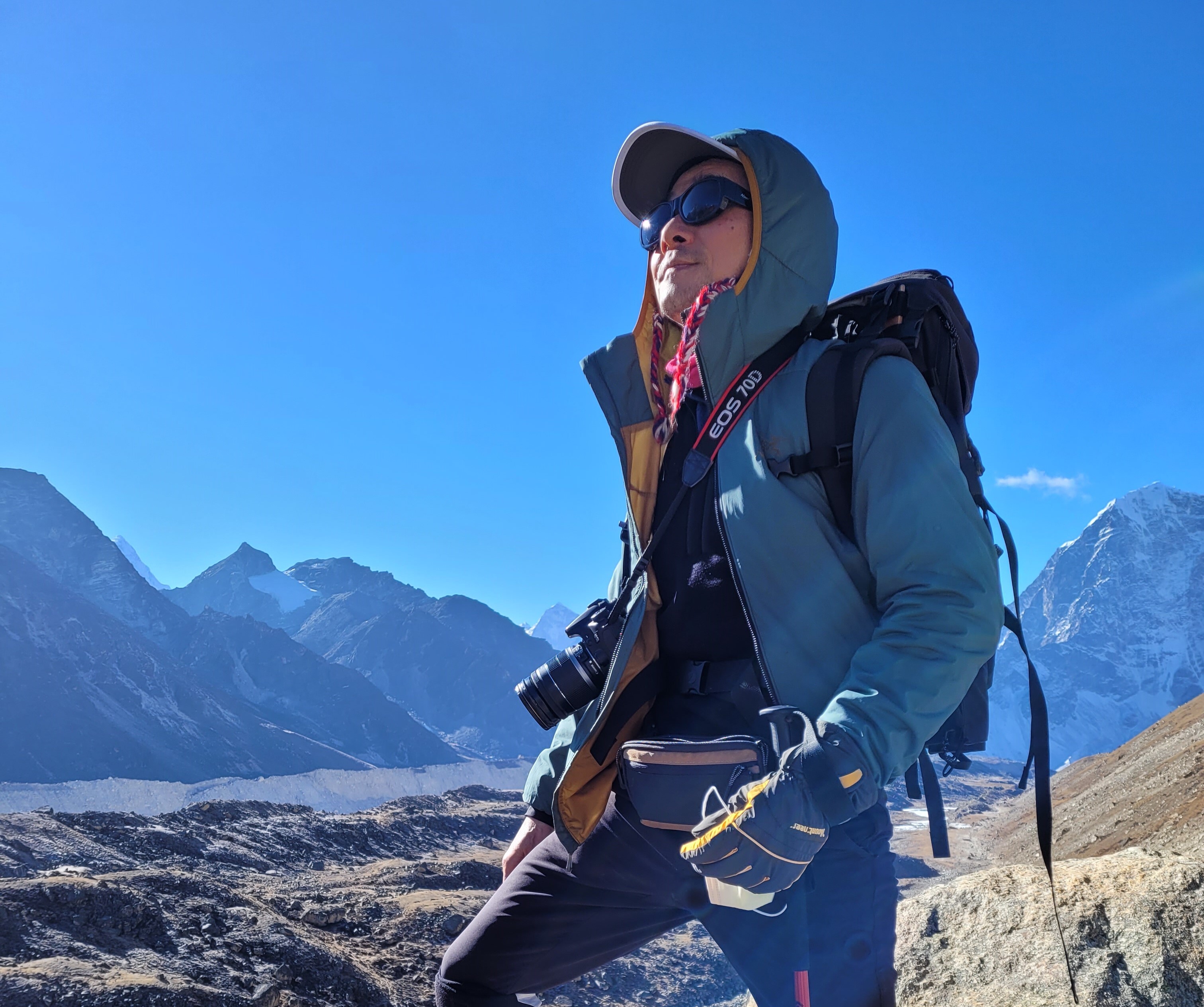 Associate Professor
PhD in Anthropology and Geography, Louisiana State University, USA (2001)
RESEARCH INTERESTS
Human Geography · Political Economy · Nature–Society Relations · Development Theory
Hung-Yu Ru
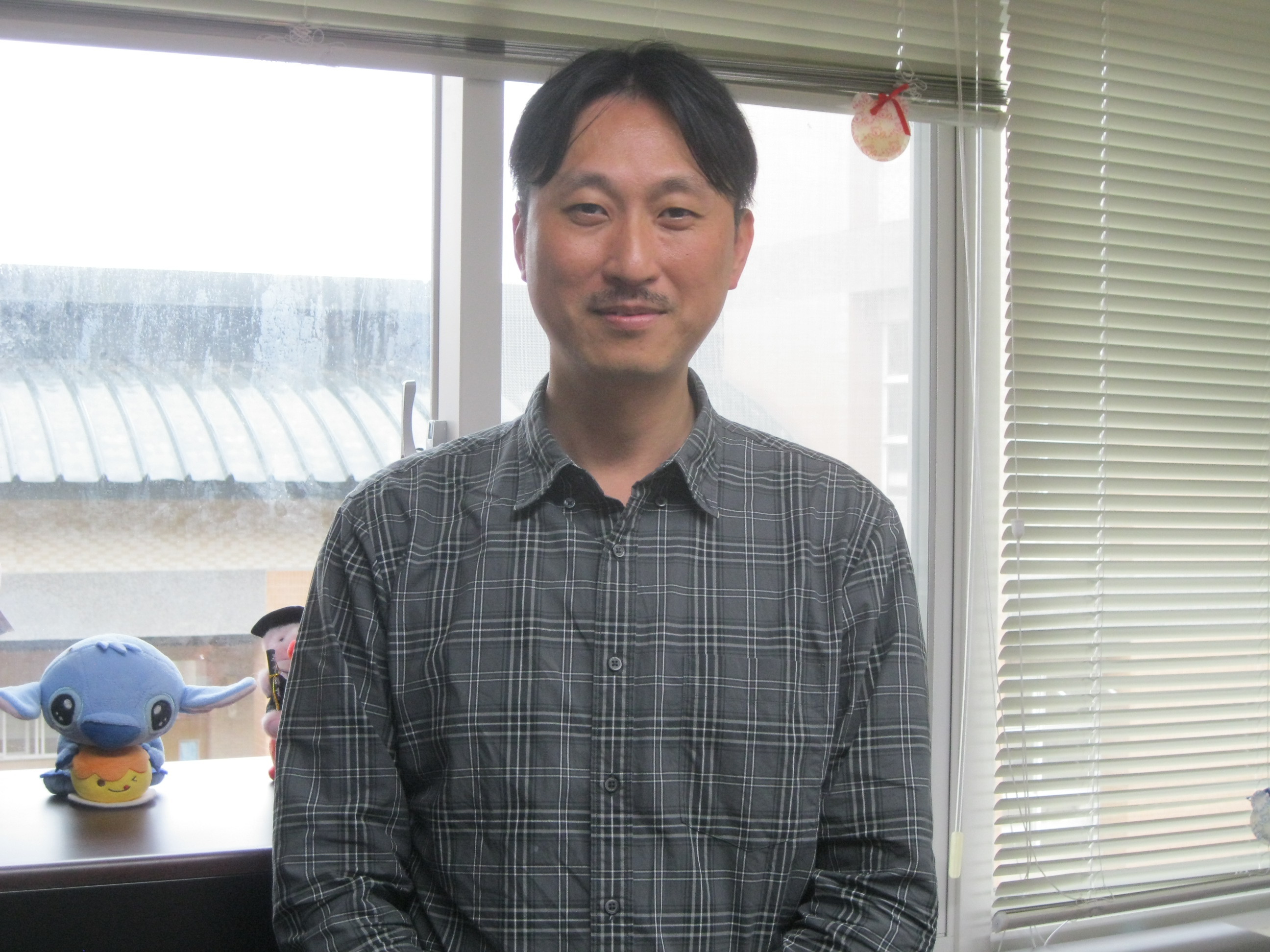 Associate Professor
PhD in Anthropology, University of Hawaiʻi at Mānoa, USA (2009)
RESEARCH INTERESTS
Medical Anthropology · Indigenous Health · Local Revitalization · Long-Term Care
Ying-hao Huang
 Associate Professor
PhD in Social Policy and Social Work, National Chi Nan University, Taiwan (2013)
RESEARCH INTERESTS
Indigenous Social Work · Disaster Social Work · Action Research · Community Organization and Development · Social Work Practice · Social Enterprise
Kiwi Chi-Wei Cheng
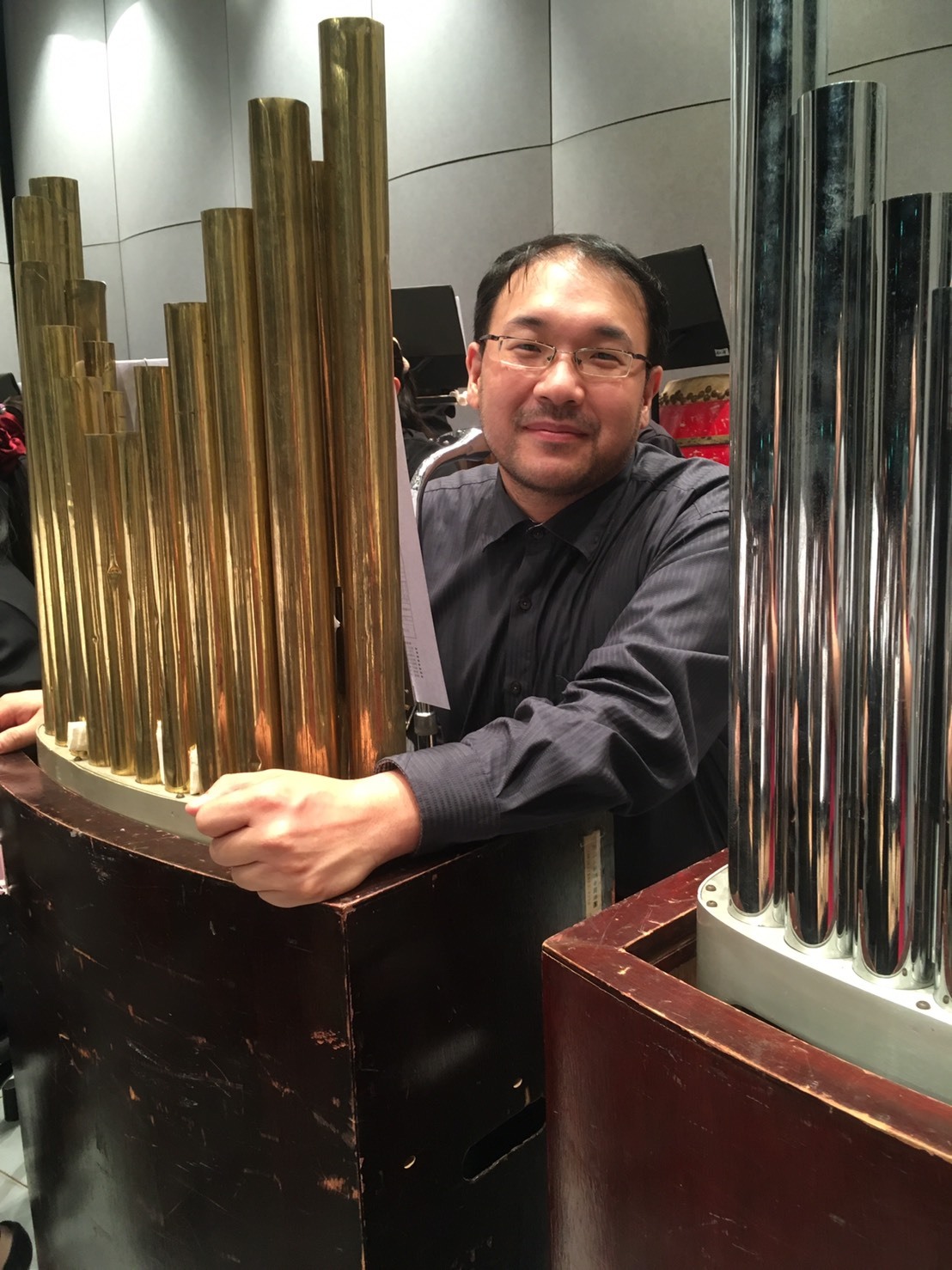 Associate Professor
PhD in Social Work and Social Policy, La Trobe University, Australia (2014)
RESEARCH INTERESTS
Early Intervention · Community Care · Social Capital · Social Responsibility · Social Work Education
Lenglengman Rovaniyaw
 Associate Professor
PhD in Anthropology, University of Washington, Seattle, USA (2017)
RESEARCH INTERESTS
Mental Health · Indigenous Health · Medical Anthropology · Tourism Anthropology · Environmental Anthropology
Wasiq Silan
 Assistant Professor
PhD, Faculty of Social Sciences, University of Helsinki, Finland (2021)
RESEARCH INTERESTS
Indigenous Public Policy · Gender · Critical Ethnography · Long-Term Care · Indigenous Research Methodologies
Jung-Chia Chang
 Assistant Professor
PhD in Sociology, National Tsing Hua University, Taiwan (2018)
RESEARCH INTERESTS
Ethnic Studies · Cultural Sociology · Hakka Studies · Chinese Communities in Southeast Asia · Gender Studies
Indigenous Land and Sovereignty Acknowledgement
National Dong Hwa University is located on the traditional territory of the Pangcah (Amis) people.
The Department of Indigenous Development and Social Work acknowledges Indigenous peoples across Taiwan as the traditional custodians of their lands, mountains, forests, waters, and communities. We honour Elders past and present and recognize their continuing relationships with and responsibilities to their territories.
We are grateful for the land of Cihak (志學) that sustains our teaching, research, and everyday lives.
We also recognize the histories of dispossession through which universities and other institutions have come to occupy Indigenous lands. This acknowledgement therefore asks more of us than recognition alone. It calls for continuing reflection, responsibility, relationship-building, and action.
This has always been, and will continue to be, Indigenous land.
Contact and Collaboration
Department of Indigenous Development and Social Work
College of Indigenous Studies
National Dong Hwa University
No. 1, Sec. 2, University Road
Shoufeng Township, Hualien County 974301
Taiwan
For academic collaboration, visiting opportunities, student exchange, or other partnership inquiries, please contact the Department or the faculty member whose research interests most closely connect with your work.